September 22, 2026
Plan a Washington-to-Arizona DIY move with tips for rental trucks, moving containers, packing, route planning, weather, and professional moving labor.

Tell us about your move and we’ll send you a quick, no-obligation quote. Our team makes it easy to plan your next move with trusted local help and transparent pricing.
Moving across state lines is an exciting milestone, but executing a long-distance move from the Pacific Northwest to the Sun Belt comes with major logistical choices. Whether you are trading Seattle rain for Phoenix sunshine or heading from the Puget Sound down to Tucson, the journey spans over 1,400 miles.
If you have started researching full-service van lines, you have likely encountered eye-watering quotes ranging from $6,000 to $12,000+. Fortunately, there is a much smarter, budget-friendly alternative: The Hybrid DIY Move. By pairing a portable moving container or rental truck with professional Washington to Arizona Moving Labor Services, you can save thousands of dollars while avoiding heavy lifting, complex packing logistics, and back strain.
Here is your complete guide to planning an efficient, cost-effective DIY move between Washington and Arizona.
Traditional full-service moving companies charge massive markups to cover driver salaries, fleet maintenance, corporate overhead, and complex dispatch scheduling. Furthermore, your belongings are often combined with other households in a single semi-truck, leading to strict delivery windows that can span several weeks.
A Hybrid Move splits the relocation into two simple components:
By managing the transit phase yourself, you maintain complete control over your schedule, avoid line-haul surcharges, and protect your budget.
When selecting your transport vehicle or portable storage container, transit times and equipment types vary across major national brands. Below is a structural breakdown comparing popular equipment providers for a typical Washington-to-Arizona run:
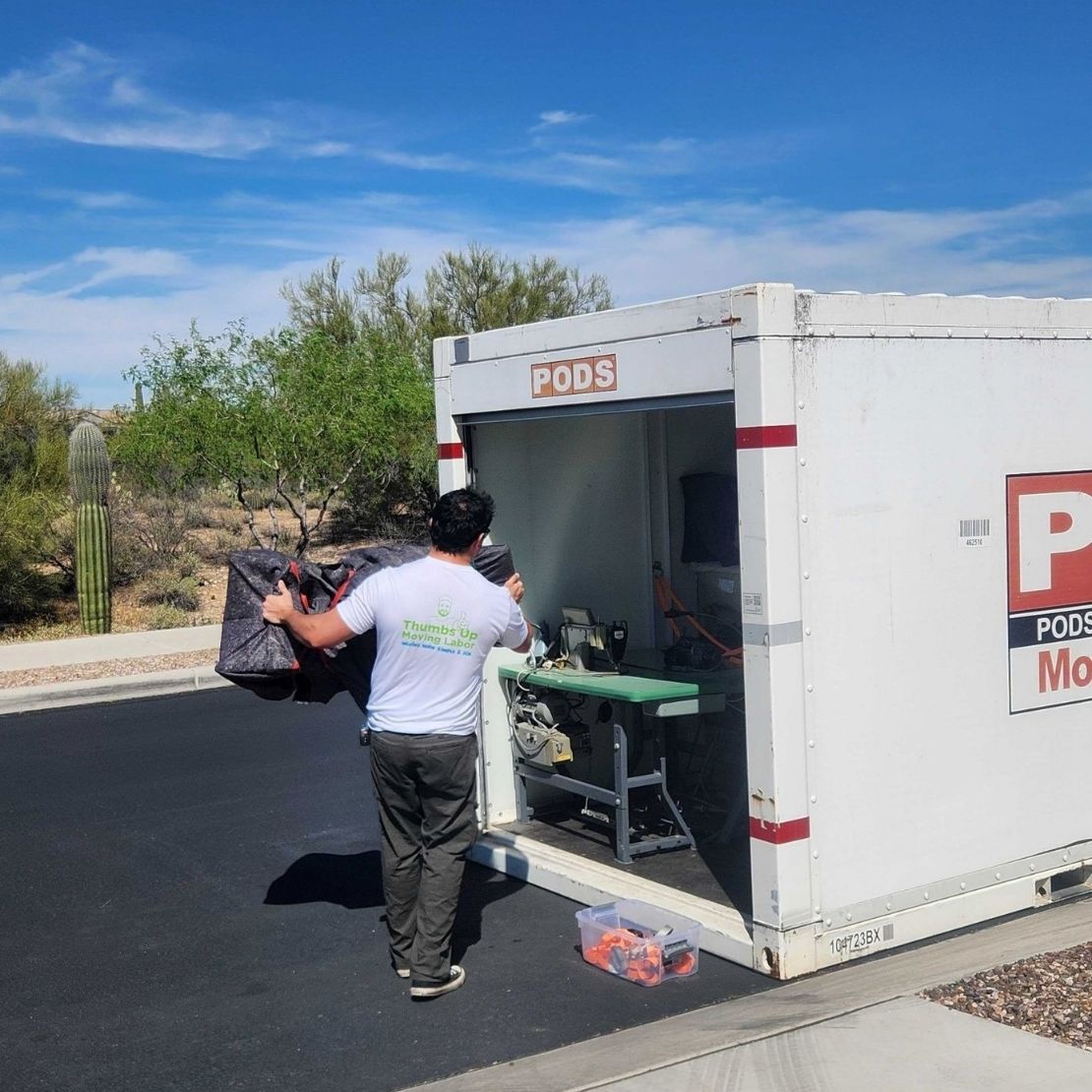
PODS
Service Type: Portable Moving Container
Estimated Transit Time: 7–11 Business Days
Best Used For: Flexible loading timelines and temporary storage between moves
U-Pack (ReloCube / Trailer)
Service Type: Freight Container / Freight Trailer
Estimated Transit Time: 4–6 Business Days
Best Used For: Fast cross-country transit without driving a heavy truck
U-Haul (U-Box or Rental Truck)
Service Type: DIY Rental Truck or Moving Box
Estimated Transit Time: 2–4 Days (Truck Drive) / 5–9 Days (U-Box)
Best Used For: Budget-conscious DIYers and quick weekend transitions
Penske Truck Rental
Service Type: DIY Rental Truck
Estimated Transit Time: 2–4 Days (Driving Time)
Best Used For: Smooth highway transport for larger 2-to-4 bedroom homes
Note: Transit times can fluctuate based on seasonal demand, origin/destination zip codes, and freight routing schedules.
Driving a rental container or truck across 1,400+ miles exposes your items to road vibration, elevation changes, and shifting forces along mountain passes. How your unit is packed determines whether your furniture arrives intact.
Do not scatter furniture randomly. Heavy items (washers, dryers, solid wood dressers) must be placed on the bottom against the front wall of the container or truck cab to keep the center of gravity stable. Stack lighter boxes on top, creating tight horizontal walls from floor to ceiling.
Containers shift significantly on freight trains and highway trailers. Utilize the internal wall tie-down rings inside PODS or U-Pack units. Anchor straps and heavy-duty rope across every tier of boxes and furniture to prevent back-to-front movement.
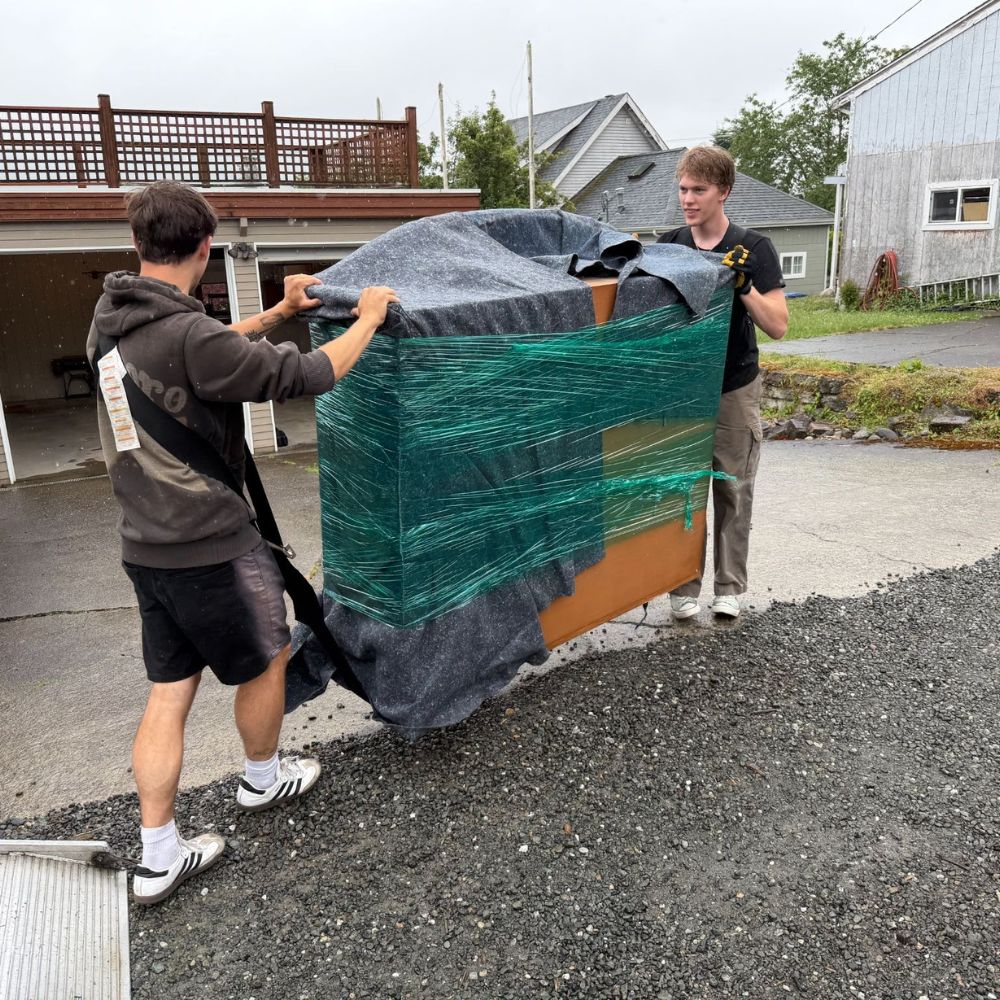
Use furniture pads and stretch wrap on every wood and upholstered piece. In Washington, damp weather can easily transfer moisture onto exposed fabrics. Wrapping mattresses and sofas in plastic shields them from Northwest moisture during loading.
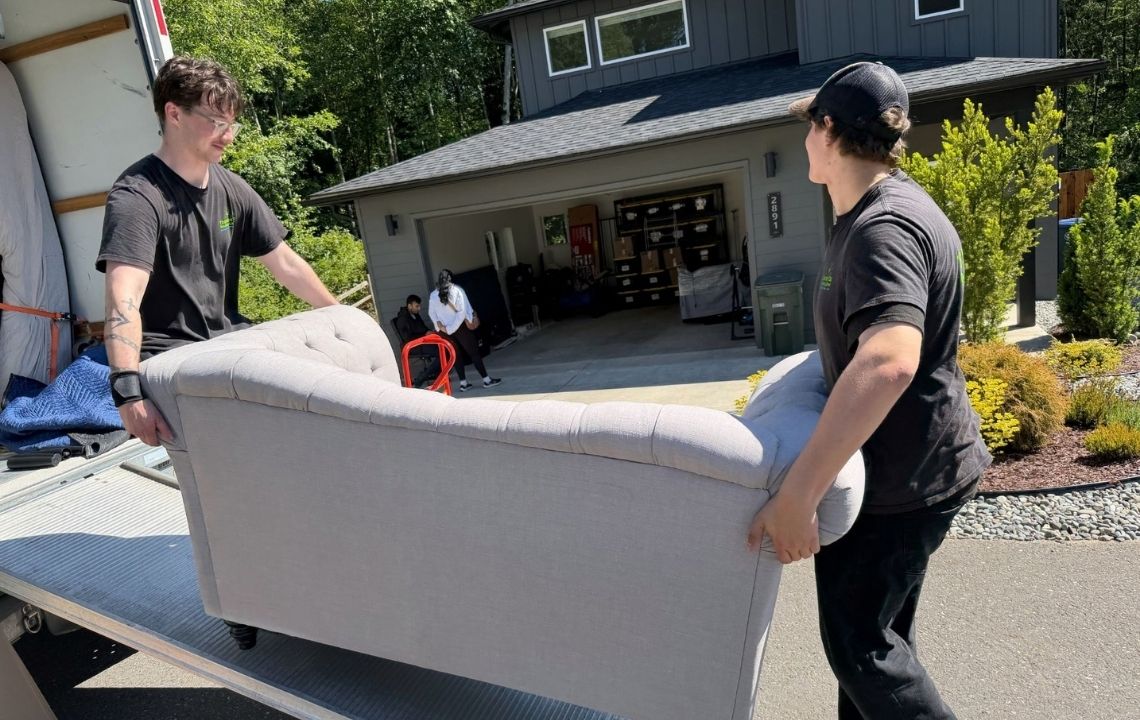
Hiring experienced truck loading services ensures every cubic foot of space is maximized while securing your inventory for high-speed interstate travel.
Transitioning from the Pacific Northwest to the Desert Southwest means preparing for two entirely different climate environments.
Washington (Origin) Arizona (Destination)
------------------- ---------------------
• Wet driveways & stairs • Extreme ambient heat (100°F+)
• Tight urban parking • Long sun-exposed driveways
• Rain-protection prep • Hydration & heat-safe loading
If you are driving a rental truck yourself, select a route suited to heavy vehicles:
Before hitting the road with a loaded commercial truck, inspect your route using the Federal Motor Carrier Safety Administration (FMCSA) driver guidelines and check interstate road conditions via the U.S. Department of Transportation (USDOT).
A successful interstate DIY move relies on synchronized timing. With dedicated labor-only crews on both ends of your move, you do not have to rely on unvetted day labor or bribe friends with pizza.
Whether you need assistance moving heavy furniture, loading a 26-foot truck in Seattle, or unloading a PODS container in Maricopa County, our teams handle the heavy lifting while you stay in control of your journey.
Ready to plan your cross-country relocation without paying full-service prices? Get a free quote today and let our moving labor specialists make your Washington-to-Arizona transition effortless.

Jason is passionate about business, family, and making the most out of this life. He grew up in the small town of Snohomish in Washington.